I’m John M. Gaspar — retired NYPD Homicide Detective (Major Case Squad), former Flagler County Sheriff’s Office Detective, FDLE Certified Instructor, forensic hypnotist, and past president of both the Florida Association of Private Investigators (FAPI) and the Society of Professional Investigators (SPI).
For decades I’ve worked homicides, suspicious deaths, and wrongful-death civil cases from the streets of New York to the courtrooms of Florida. In the March/April 2026 issue of Professional Investigator Magazine, my colleague Dr. Anthony Luizzo and I published “Nationwide Death Investigations: Criminal and Civil Aspects.” Today I’m sharing the heart of that article right here on my blog so every private investigator, security professional, and attorney can use the same proven checklist I relied on throughout my career.
WHY A CHECKLIST MATTERS
A competent homicide investigator knows a problem well laid out is a problem half solved. The journey from crime scene to courtroom (or civil settlement) is long and winding. A solid checklist keeps you focused on the science instead of the “ground noise.”
Part 1 – Federal & National Guidelines Every Investigator Must Know
National Association of Medical Examiners (NAME) – Sets the gold standard for death investigation.
Centers for Disease Control and Prevention (CDC) – Provides nationwide death-investigation guidelines.
FBI – Handles terrorism-related or federal-jurisdiction deaths.
Medical Examiner/Coroner – Performs the forensic autopsy that determines cause and manner of death. These findings are the cornerstone of both criminal prosecutions and civil lawsuits.
Part 2 – Criminal Death Investigations
We handle four main categories:
Homicides
Suicides
Unattended deaths
Undetermined deaths
Florida Department of Law Enforcement (FDLE) Guidelines are crystal clear on:
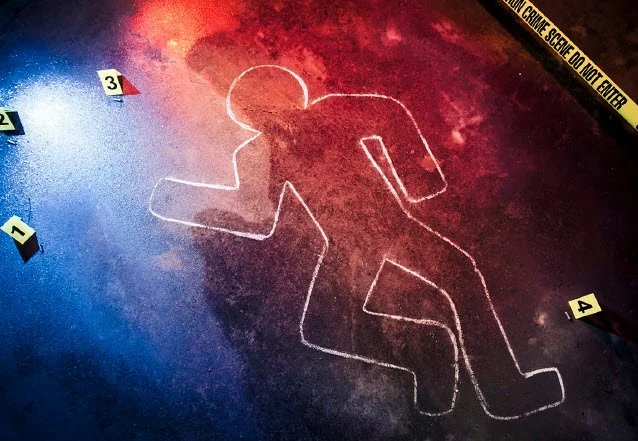
Securing the crime scene
Controlling access to the victim
Proper evidence collection and documentation
Florida Statute 406.14 defines the Medical Examiner’s role in every legal death investigation.
The Death Investigation Checklist I Still Use Today
Secure the crime scene immediately
Document environmental conditions
Establish estimated time of death using:
Livor Mortis (post-mortem lividity)
Rigor Mortis (muscle stiffening)
Algor Mortis (body cooling)
Collect comprehensive photographic evidence
Examine the body and surroundings
Consider forensic entomology (insect activity) when time of death is critical
Training Requirements for Detectives (U.S.)
Minimum age 19, U.S. citizen, high-school diploma or equivalent
Clean criminal record
Complete Commission-approved Basic Recruit Training + pass the State Officer Certification Exam (SOCE)
Minimum four years sworn experience (two in investigations) for detective roles
Ongoing annual training in mental health, electronic databases, and juvenile-sex-offender cases
Part 3 – Wrongful Death Investigations (Civil)
Civil cases operate under the preponderance of evidence standard — a much lower burden than “beyond a reasonable doubt.”
Florida Wrongful Death Act (FSS 768.16–768.26) allows family members to seek monetary compensation for loss of companionship, medical expenses, lost wages, and pain and suffering.
Key documents every civil investigator must obtain:
Autopsy report
Medical Examiner report
Toxicology
Police reports & supplements
CSI photos and sketches
Real-World Impact of Civil Death Investigations
The O.J. Simpson civil verdict proved that even when criminal justice fails, civil accountability can still deliver justice and substantial damages.
Medical malpractice and product-liability cases have forced hospitals and manufacturers to change dangerous practices after thorough wrongful-death probes.
State-by-State Medical Examiner Resources
I’ve included the complete list in the magazine article (Alabama through South Dakota). If you need a direct link or contact for any state, just reach out — I keep an updated Rolodex from my decades in the field.
Final Thoughts from the Street
Death investigations in the United States demand a structured, forensic-first approach whether you’re building a murder case for the DA or a wrongful-death lawsuit for a grieving family. Master the autopsy interpretations, respect the statutes, and never cut corners on evidence.
As I tell every young investigator I train: “Forensics and justice go together like a horse and carriage — you can’t have one without the other.”
If you’re a private investigator, attorney, or insurance professional handling a death case and need an expert consultant, training, or second-opinion review, contact me directly. I still take select cases nationwide.
Stay safe out there, John M. Gaspar, B.S., M.S., CFE, CSI, BAI Retired NYPD Homicide Detective Former Flagler County Sheriff’s Office Detective FDLE Certified Instructor & Forensic Hypnotist